Tired of watching your agency margins disappear every time a client asks for video creative?
You land a new ads client. You're excited. Then they need video ads. Suddenly you're hiring editors, briefing freelancers, and spending hours in Slack going back and forth on revisions. The creative becomes a cost center that quietly eats everything you thought you'd make on the account.
I've been there. After building and selling an agency for eight figures, I watched this pattern destroy profitability more than almost anything else. And here's the uncomfortable truth I kept bumping into: the best-performing video ads aren't actually that original.
Hook, problem, proof, offer. Maybe a testimonial. Same structure, over and over, across completely different clients and categories.
That's where AI video ads come in. If the formula repeats, the production can repeat. And if production can repeat, creative stops being the thing you quietly subsidize and becomes a real service line with actual margin.
This content is sponsored by Creatify. Everything below is my honest, hands-on review — what impressed me, and what still needs a human pass.
Watch the Full Breakdown
Below, I'll break down why creative quietly breaks agency margins — and how AI ad production turns it into a billable, repeatable service line you can actually scale.
What You'll Learn in This Post
- The formulas that convert are completely repeatable—which means production can be systematized
- AI video ad tools can produce finished creative for $5–8 per ad (not $500 or $5,000)
- Creative solves the hardest problem clients face—making it your door-opener to bigger relationships
- Purpose-built ad tools outperform general AI video generators because they understand conversion
Table of Contents
- The Creative Bottleneck Killing Agency Margins
- Why Ad Creative Is Actually a Repeatable System
- Case Study: URL to Finished AI Video Ad in Under an Hour
- Building Scalable Video Ad Production: AdFlow and Avatars
- The Agency Play: Creative as Your Market Entry Wedge
- Your Next Steps
The Creative Bottleneck Killing Agency Margins
Let me paint the picture of traditional video ad production.
A client wants a video ad. So you:
- Write a script
- Find someone to record it (good lighting, right format, vertical or horizontal depending on placement)
- Get it edited
- Add captions, music, a hook that doesn't bury the lead
A whole production cycle just to make one ad look natural.
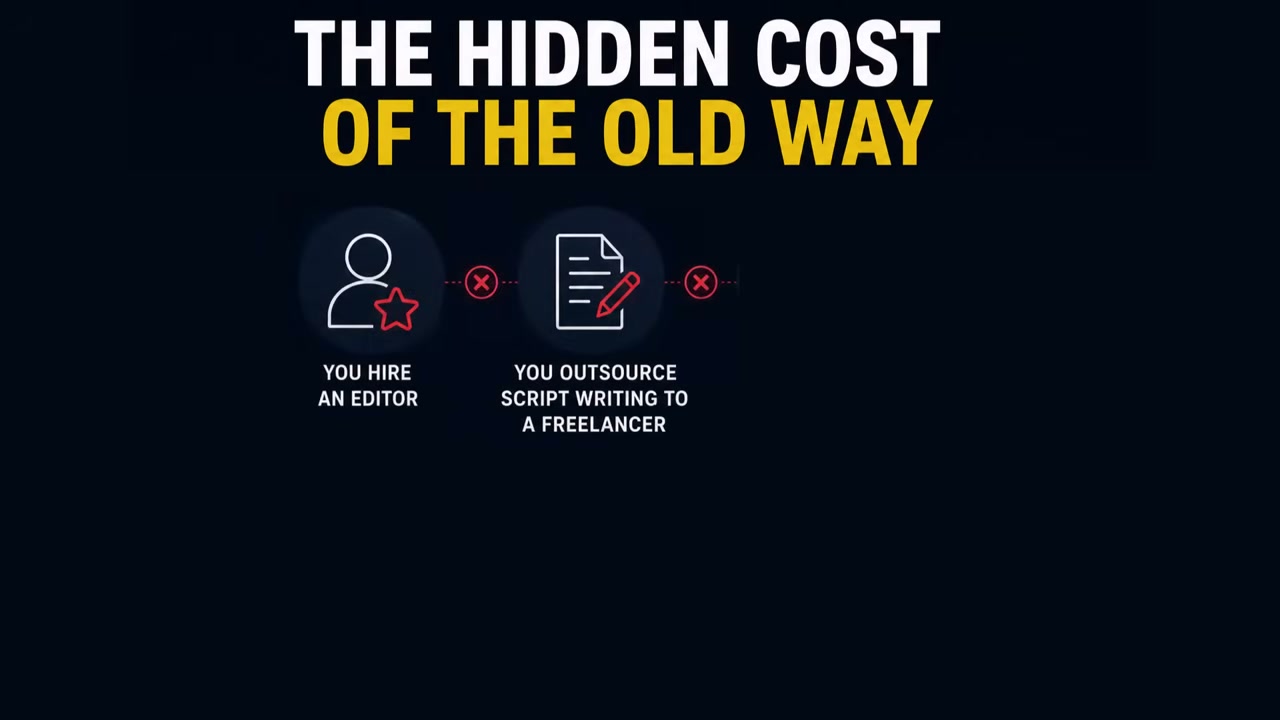
Now multiply that by five clients. Ten clients. Each wanting three or four variations to test. Not once—every single week.
And here's the thing nobody says out loud: clients don't actually value the production. They value the result. They want the ad that converts. They don't care how many hours went into making it.
So you're stuck breaking even (or losing money) on something the client doesn't fully appreciate, that takes longer than it should, and that gets harder to deliver the more successful you become.
The work isn't bad—it just doesn't scale. You can't decide to produce twice as many ads without also deciding to spend twice as much to make them.
Why Ad Creative Is Actually a Repeatable System
I've been in this industry for over 20 years. Built an agency with my partners, grew it, sold it for eight figures. Now I spend a lot of time researching which marketing services actually survive AI—that's basically my full-time job at this point.
And here's an uncomfortable truth I'm accepting these days: ad creative is not magic.
I know it feels like magic. The ads that work feel like someone cracked a code nobody else could crack. But when you look at what actually performs across thousands of campaigns, the patterns repeat. The hooks repeat. The structures repeat.
The format changes. The formula doesn't.
That's where ad creative automation changes the game. If the formula repeats, then creative is a process. A repeatable one. And if it's a process, it's automatable.
This shift in thinking changes everything for an agency. You stop asking “how do I hire enough people to produce creative at scale?” and start asking “how do I build a system that produces creative at scale?”
Completely different questions. Completely different answers.
And with AI-enhanced systems, you can iterate stupid fast. Want to test a completely different angle on a campaign? That used to mean a whole new production—new script, new recording, new edit. Days or weeks of work.
Now you can pivot in an hour. Try five different hooks. See what actually works before you've committed to anything.
That speed is the real asset. Not just the cost savings—the ability to find what works faster than anyone else.
Case Study: URL to Finished AI Video Ad in Under an Hour
So I went and actually tested this on real campaigns we're running at MeasureU.
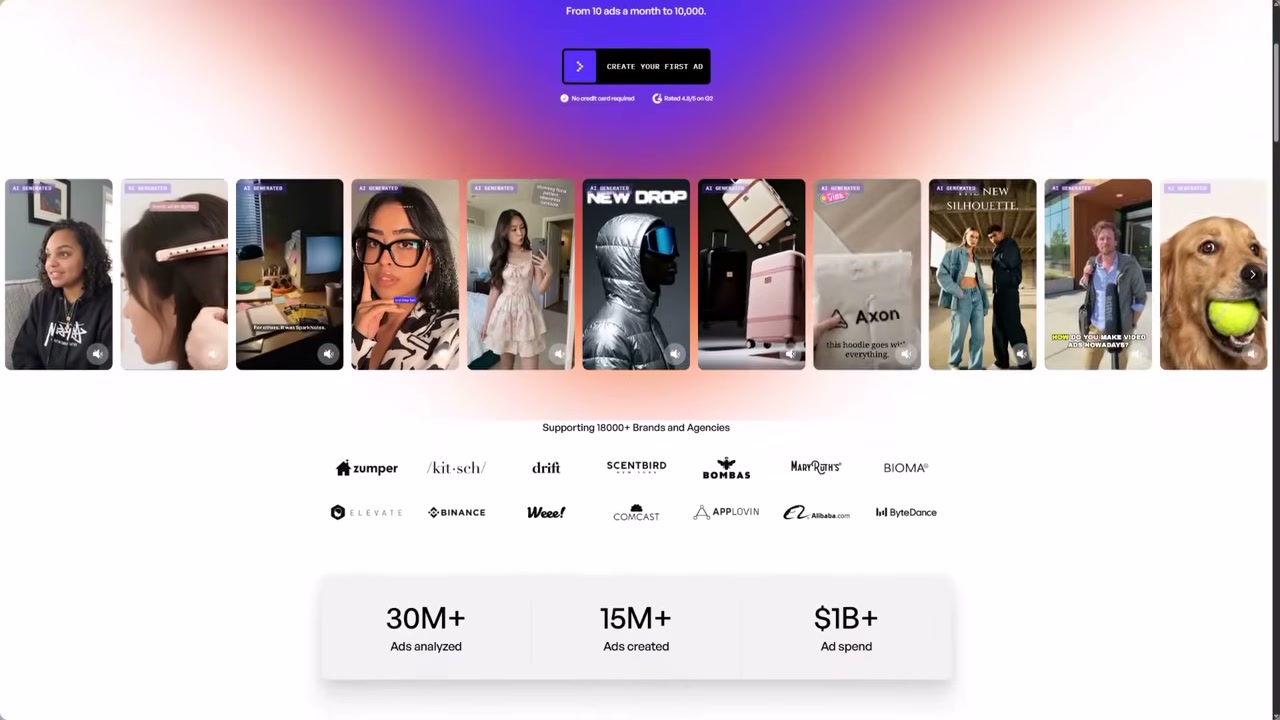
The tool I used is called Creatify. It's built specifically for ad production—not a general-purpose AI video tool. That distinction matters, and I'll explain why in a minute.
First test: Landing page to finished ad
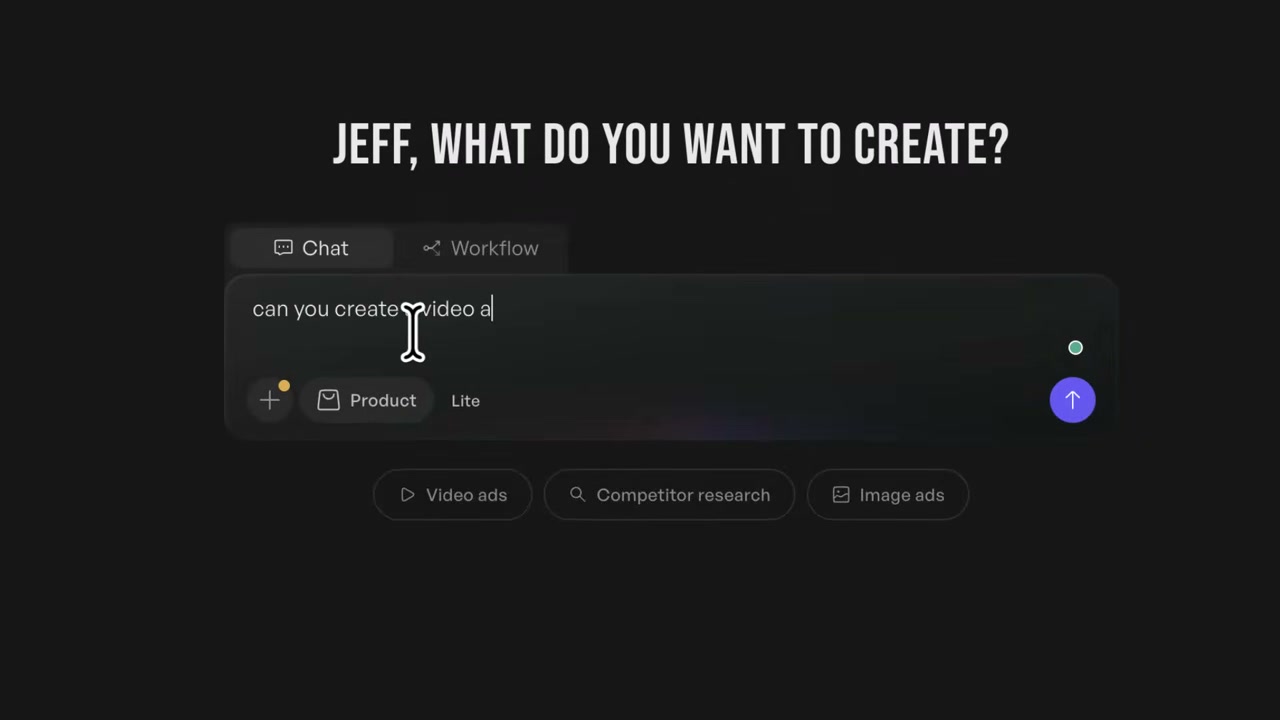
I took a landing page we'd built for a recent MCP workshop and dropped the URL directly into Creatify's AI ads agent. The AI ads agent is basically a conversational interface—you describe what you want, it asks a few questions, then does the work.
It:
- Researched the page
- Wrote the script
- Picked avatars
- Produced the video
- Checked the output
I didn't write a brief. I didn't upload anything. Just gave it the URL and told it what I was trying to accomplish.
And it came back with a finished ad.
Now—I want to be honest here, because the honest reaction is more useful than a highlight reel. The creatives looked genuinely good. Not the “obviously AI” stuff you see from some tools.
But the audio on one of the renders was rough. I noticed it immediately and it would've needed another pass before I ran it anywhere.
So it's not zero-touch. But the baseline it gave me was way better than starting from scratch.
Second test: Existing assets to ad
I had a bunch of vertical social videos sitting in Google Drive for our pricing product. Told the agent to turn those into an ad.
It connected directly to Drive (didn't have to upload anything—matters more than it sounds when you're on a bad connection or working with multiple clients' assets), pulled the files, created some images, wrote a voiceover script, and gave me a hook.
The whole thing came together in a way that would've taken me hours to brief out to an editor.
The cost? Somewhere in the $5–8 range per finished ad.
Not five hundred. Not five thousand. Five to eight dollars.
Building Scalable Video Ad Production: AdFlow and Avatars
There's another piece of Creatify I want to show you, because I think it's actually more interesting for agencies: AdFlow.
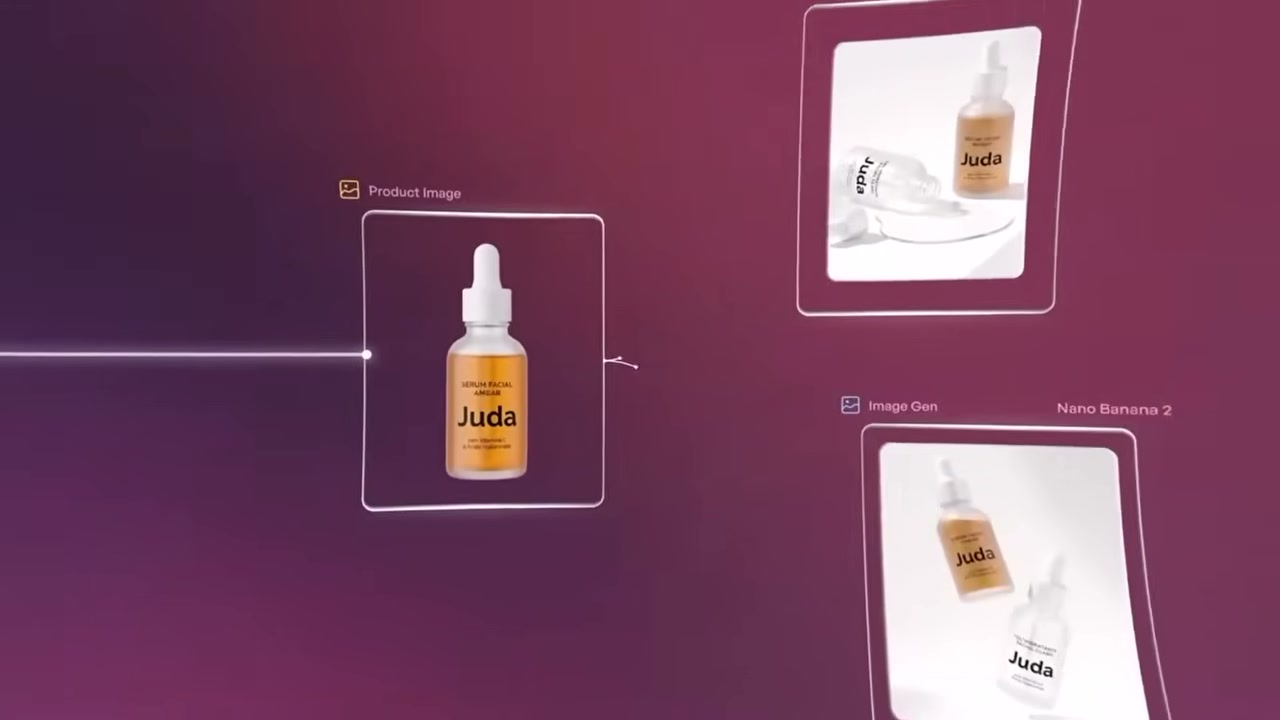
AdFlow is a node-based editor. Let me explain what that means before your eyes glaze over, because “node-based” sounds more complicated than it is.
Think of it like a flowchart where every step in your ad production—the script, the avatar, the voiceover, the visuals, the CTA—is its own box. Each box is swappable. You can open any one of them, change just that piece, and rerun from there.
Why does that matter for an agency?
Because it makes the process visible and consistent. You're not handing someone a blank canvas and saying “make an ad.” You're handing them a workflow where:
- Every decision is documented
- Every step can be swapped without blowing up the whole thing
- A junior team member can open it, see exactly what's happening, change the avatar or the hook, and rerun the output
That's a real process, not a one-person skill.
On avatars:
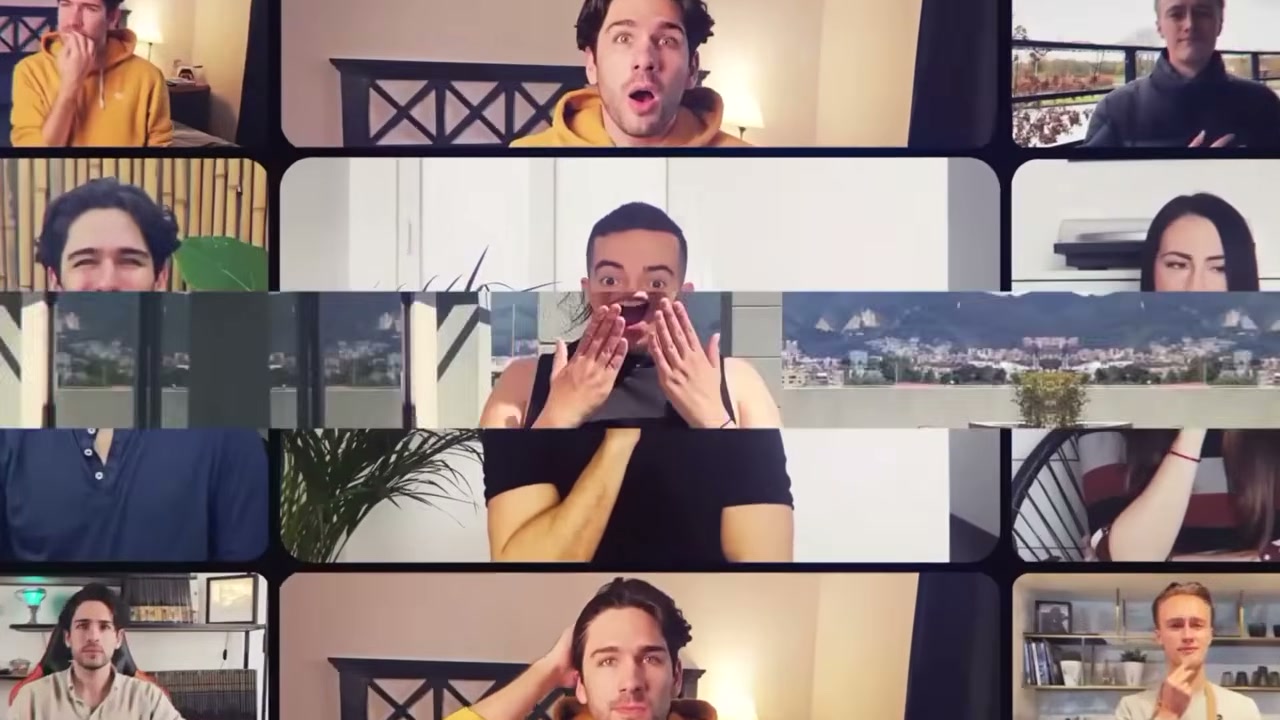
- Over 1,500 of them
- 75+ languages
- Pick one that fits the product, audience, and vibe
- Or bring your own image if you want ads to feature you or a client
It also handles brand safety—validates logos, colors, and claims, then regenerates anything that comes back off-brand. If you've ever had a client call because an AI tool put the wrong color on their logo, you can breathe easier.
One honest note on credits:
I ate through them faster than I expected. You might be surprised what it costs to render your first few videos before you get the hang of the workflow.
My actual advice (and Creatify's own suggestion, which I appreciated): render one scene first to test it before you commit to full production. Don't burn your budget proving a concept you could've checked for a fraction of the cost.
The free plan gives you 10 credits a month. That's enough to test on something real before you decide if it belongs in your stack.
The Agency Play: Creative as Your Market Entry Wedge
Here's the agency play I want to leave you with, because most people stop at “this saves me time and money” and miss the bigger picture.
Creative is the hardest problem to solve in an ads engagement. Clients know it. They've been burned by it.
They've:
- Paid agencies for media management and watched the whole thing underperform because creative was weak
- Tried to produce it themselves and it looked cheap
- Hired freelancers and gotten inconsistent results

If you can walk into a new client conversation and say “I can get you finished video ads up and running in a day or two”—that's a door-opener. Because it solves the problem they've been stuck on.
You get your foot in the door with something fast and visible. That creates the relationship.
Then you're managing the ads. Then you're expanding to other campaigns and offering more services. Then you're the person they call when anything performance-related comes up.
That's what I mean by creative as a wedge. It's the service that makes you sticky. And sticky clients are the ones that actually build an agency, instead of just keeping it running.
The margin math helps too:
If you're charging a client a few hundred dollars for ad creative and your actual production cost is $5–8 per finished ad? That's a service line with real margin. Billable, repeatable, and scalable in a way most agency services aren't.
You can productize it, price it confidently, and deliver it without production overhead eating everything you made.
One more thing on purpose-built tools:
Most AI video tools out there don't know what makes an ad work. They know how to make video. That's different.
Creatify was built specifically for ad production—it understands hooks, it understands ad structure, it understands the difference between content and creative designed to convert. It even lets you create ads based on templates from proven winners.
That's why I was more intrigued by it than the general-purpose tools I've tested. And I've tested a lot of them.
Your Next Steps
Here's what I want you to do:
- Pick one real client product (or your own product if you're testing this for yourself)
- Run it through Creatify's URL-to-ad flow using the free plan
- See what comes back before you build anything around it
- Test the output on actual audiences and see what the market tells you
That's the only test that matters.
The free plan gives you 10 credits a month—no commitment. Enough to know if this fits your clients and your work.
Ad creative doesn't have to be the thing that breaks your margin. It doesn't have to be the bottleneck that keeps you from taking on more clients.
The formulas that work repeat. And if they repeat, you can systematize them. And if you can systematize them, you can build a service around them that earns real margin and actually holds up as you grow.
My honest take after going through Creatify: the output quality surprised me on the upside. The audio on one render needed work. The credits add up if you're not careful. But the baseline it gives you—a finished ad from a URL, or from assets you already have—is genuinely useful.
Try Creatify free → and run one real product through it. Ten credits a month, no credit card—enough to see if AI video ads belong in your service stack.